The Exodus Road is a global nonprofit with offices in five countries and impact in over 20 countries globally. With rigorous measuring and evaluation tools, The Exodus Road can confidently report that in 2025 alone, we participated meaningfully in freedom for 679 survivors, the arrest of 262 perpetrators, and prevention and education for 8,120 citizens and law enforcement.
Those numbers represent a total of 89 criminal human trafficking cases worked, but The Exodus Road was involved in cross-sector impact through ongoing aftercare, awareness efforts, and expert analysis through firsthand experience combating this injustice heading into the fifteenth year as a global leader in the anti-trafficking field.
From the cases that The Exodus Road worked specifically in 2025, here's what we can learn about human trafficking in 2025 to inform our approach in 2026.

Trafficking Survivors Encompass Every Demographic
Most of the time, people who are trafficked are perceived as being predominantly minor girls being exploited for sex. However, increasingly, the data from the cases we work globally prove the reality that every kind of person can be trafficked, in a wide variety of ways.
This is particularly true with the explosive growth of scamming centers, which target professionals from around the world and lure them to Southeast Asia with the promise of legitimate work — only for them to find themselves forced to scam others, as the young men Phelipe and Luckas were. Later, young woman Bruna (a pseudonym) was in a very similar situation.
Other cases that The Exodus Road worked on involved nonbinary individuals in both sex and labor trafficking schemes. This is reflective of global trends. In total, in The Exodus Road's 2025 cases, survivors involved were:
503 of those survivors were adults, and 134 were minors.

Longterm Care for Survivors Prevents Recidivism
A massive challenge in disrupting human trafficking is that often, even after a survivor has left trafficking, the same factors that left them vulnerable to exploitation to begin with remain. This is part of why our holistic aftercare programming in Thailand and in Latin America is so committed to models that work with survivors for the longterm, partnering with them to repair the gaps in their support systems that traffickers exploited in the past.
Some of those gaps include financial stability, real, applicable job skills, wounds and illness, social and relational supports, freedom from legal burdens, tools for emotional regulation, and trauma recovery.
This approach has led to a remarkable 99% prevention of reexploitation in The Exodus Road's aftercare programs.
That tells us that our holistic approach to identifying and meeting specific survivor needs through trauma-informed care is working.
We have learned the success of this approach from practicing it in 2025 with:

Traffickers Aren't Always Who You Think They Are
One of the things that The Exodus Road has consistently observed in the cases we work is that there are major discrepancies between stereotypes about traffickers and who is actually perpetrating this crime.
For example, we know that most of the time, traffickers are known to their victims, often as family members or romantic partners. They are not abducting those they exploit; they are making false promises. False job promises are the number one recruitment method we observe, followed closely by social media scams, violence or threats, grooming, and romantic relationships.
Disturbingly, many traffickers have been exploited themselves, caught up in a system that normalizes and even encourages abusive behavior. This is why we occasionally have to investigate heartbreaking cases of teenagers trafficking their own friends. In these cases, justice looks like rehabilitative care and education rather than a purely punitive approach.
The crime of trafficking knows no age or gender barriers. In the 262 arrests that The Exodus Road supported in 2025:
Trafficking Is Operating in Global Networks
As The Exodus Road's cyber forensics abilities grow and technology makes it easier than ever for criminals to network with each other and target potential victims, our investigators are increasingly engaged in cases that quickly reveal themselves to be international criminal syndicates.
The more countries get involved, the harder it is to track what is actually happening in a trafficking case, and the more law enforcement stakeholders have to be involved to solve the problem. Often, networks involve sex trafficking, labor trafficking, drug trafficking, money laundering, and potentially even more kinds of crime.
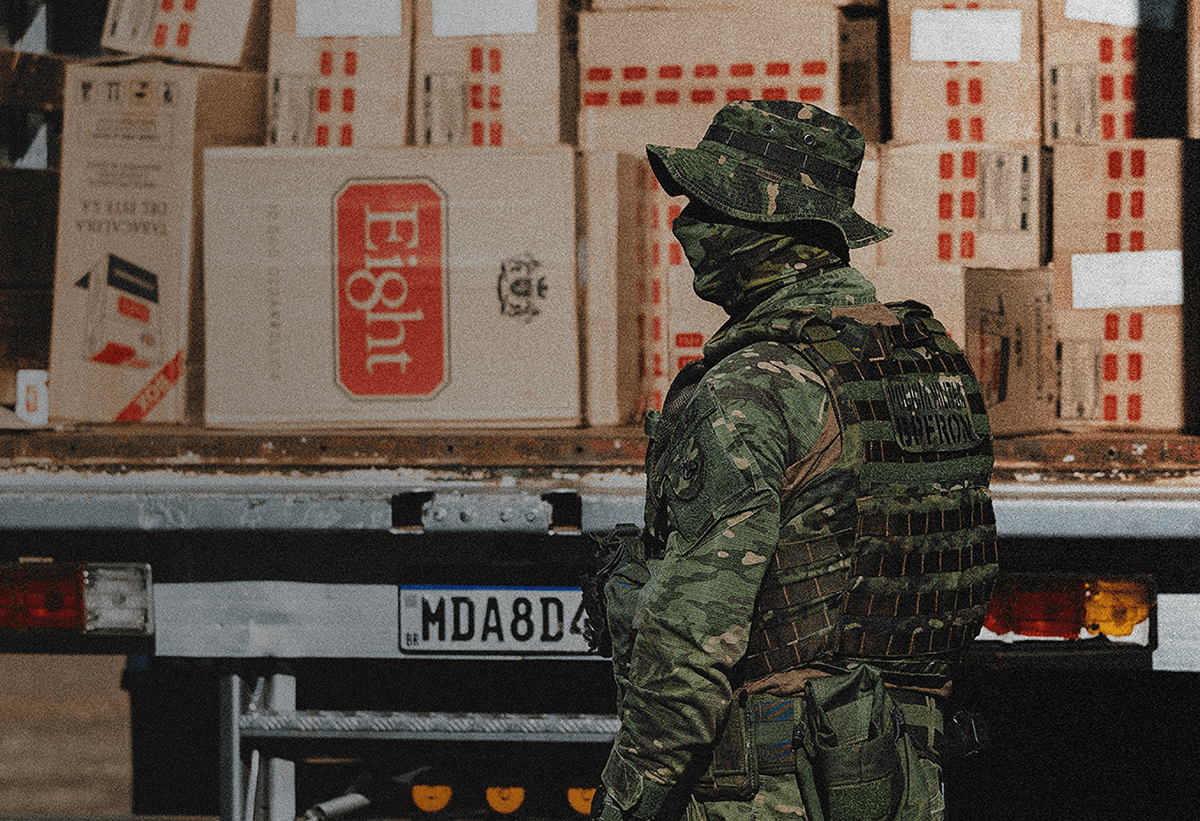
This is reflected in the massive scale of many of the 89 cases our teams worked on throughout 2025. 61 of those cases were in-country, but 28 — close to a third — were international.
Out of those cases:
Most Traffickers Use Social Media, AI, or Both
One of the most clear and observable trends across every part of human society as we move from 2025 into 2026 is the way AI is changing everything — including human trafficking. The introduction and acceleration of this type of technology mirrors, in many ways, what happened with the advent of the internet and then social media. In fundamental ways that we will not be able to understand for decades to come, the way humans engage with each other has changed.
Technology continues to be a double-edged sword in the fight against trafficking. On the one hand, social media recruitment was the second most common factor in the origin of survivors' exploitation in our 2025 cases. But on the other hand, intelligence gathered from social media can be critical in cyber investigations, with 67% of our cases in the year involving data gleaned from social media.
This is part of why we are so committed to training both vulnerable citizens and the law enforcement officers who protect them to better recognize trafficking as it evolves and protect against it.
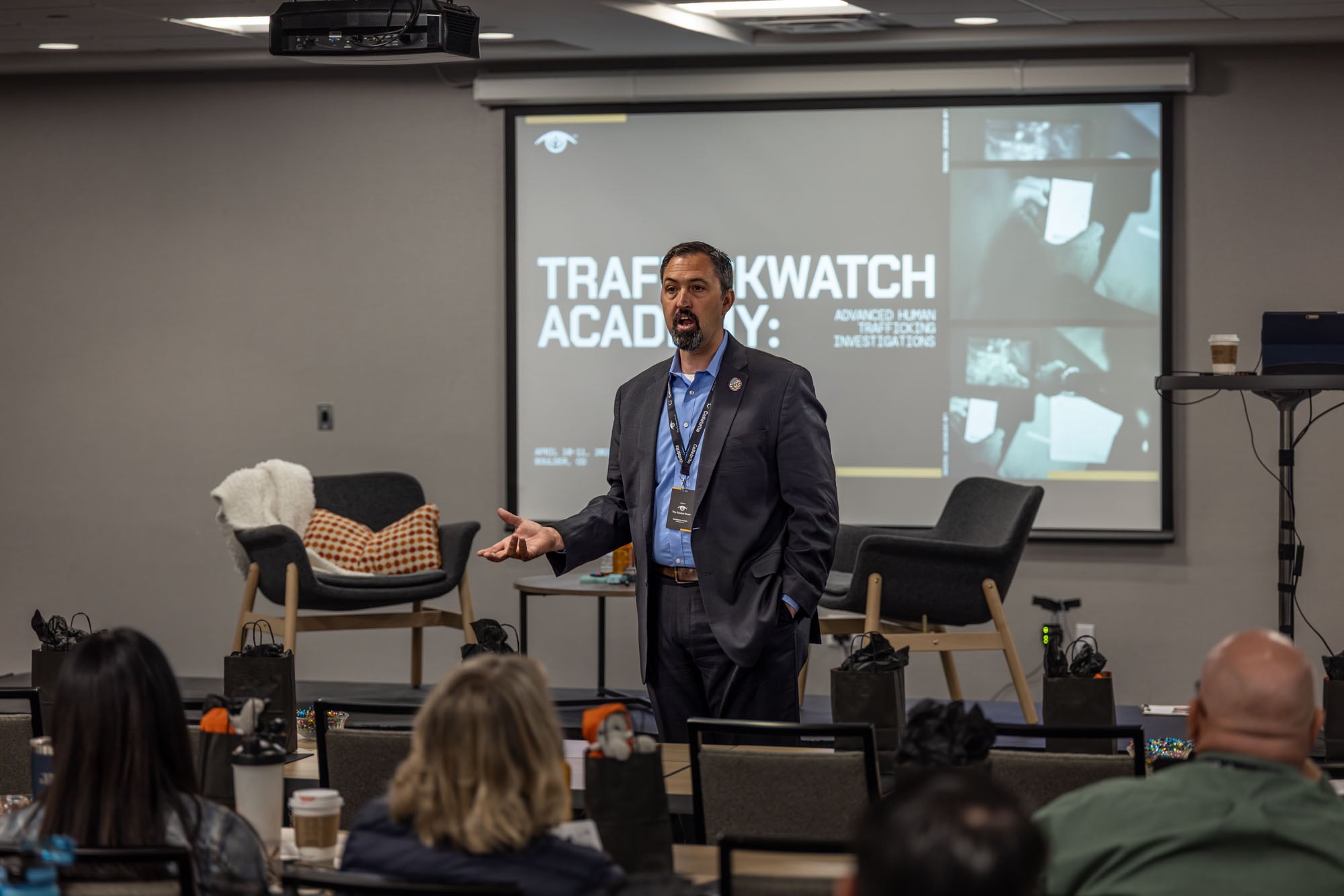
Our Influenced digital safety curriculum has been a big part of this mission. We have facilitated trainings for kids and their caregivers in the United States, Brazil, and Latin America. We have also educated hundreds of kids in schools in Thailand through Equip & Empower, and we have trained thousands of law enforcement officers throughout the United States and Brazil.
Our educational content on our website and social media channels is also a pillar of our awareness and prevention efforts, providing accurate, research-backed information about specific topics relevant to the complexities of human trafficking.
In total, throughout 2025, our training and education initiatives reached:

The Exodus Road is committed to providing expert insight into human trafficking, as well as breaking news about our success in fighting it. Sign up for our newsletter and texts to get this information directly in your inbox.