
Freedom isn’t a finish line.
When we think about survivors of human trafficking, we don’t often consider the “after.” We celebrate someone’s liberation from their trafficker without giving much thought to the many barriers they will still have to overcome to reintegrate into society. We get stuck on the concept of “rescue,” and when a one-time “rescue” event is the focus, survivors’ true realities get left behind.
Because the truth is, it’s not a “rescue” if you don’t also ensure a survivor’s financial security, provide access to safe housing, and create a comprehensive trauma treatment plan. It’s not a “rescue” if you don’t also help them connect with peers to form healthy relationships and provide goal-planning support so they can see a greater future ahead of them.
In order for a survivor to truly be free, support services must go beyond crisis management and provide them with resources and avenues to live an empowered life free from the long-term impacts of exploitation.
This is why aftercare services, things like therapy, financial and housing assistance, legal aid, and relational skill building, all matter. The precision and depth of care offered to survivors leaving exploitation determines whether they will be able to heal from their trafficking experience or if face avoidable barriers to re-integration and fall victim to recidivism.

Image representative
What is recidivism?
Recidivism is a term borrowed from re-offending rates in the criminal justice system. It refers to the likelihood that a survivor will be re-trafficked or return to the commercial sex industry after finding freedom.
Many survivors remain incredibly vulnerable to re-exploitation. According to Kristi Wells of the Safe House Project, 80% of survivors return to the commercial sex industry at some point due to a lack of sufficient resources and support. So what is necessary for survivors of exploitation to reach sustained liberation?
What do survivors need to stay free?
To understand recidivism is to grapple with a painful paradox: for many survivors, what looks like returning to the Life (a common way to refer to commercial sexual exploitation) can feel like survival in a system that fails them.
One of the most comprehensive sources on survivor outcomes is Polaris’s National Survivor Study, In Harm’s Way: How Systems Fail Human Trafficking Survivors. According to this study, many survivors continue to struggle within the systems that were supposed to protect them after they exit exploitation.
The stark facts paint a troubling reality: many survivors emerge from trafficking into an environment that lack supports in mental health, economic stability, legal aid, and basic social inclusion that are all necessary for sustained freedom. The gaps can be so large, the transition so fragile, that for some survivors the pathway back into exploitation begins to feel disturbingly appealing.
Because of this, recidivism among human trafficking survivors is not just a theoretical pitfall – it is an urgent, lived reality for many. Although research is limited, what we do have underscores the severity of the risk.
- One Dutch longitudinal study found that at least 50% of survivors were reexploited within 7 years.
- After Exploitation said that over 70% of organizations had anecdotal cases of survivors experiencing retrafficking.
- A U.S. study found that the majority of child survivors were revictimized within 6 months.
- Even if they are not directly retrafficked, survivors are at a greatly elevated risk of experiencing other kinds of abuse and exploitation as well.
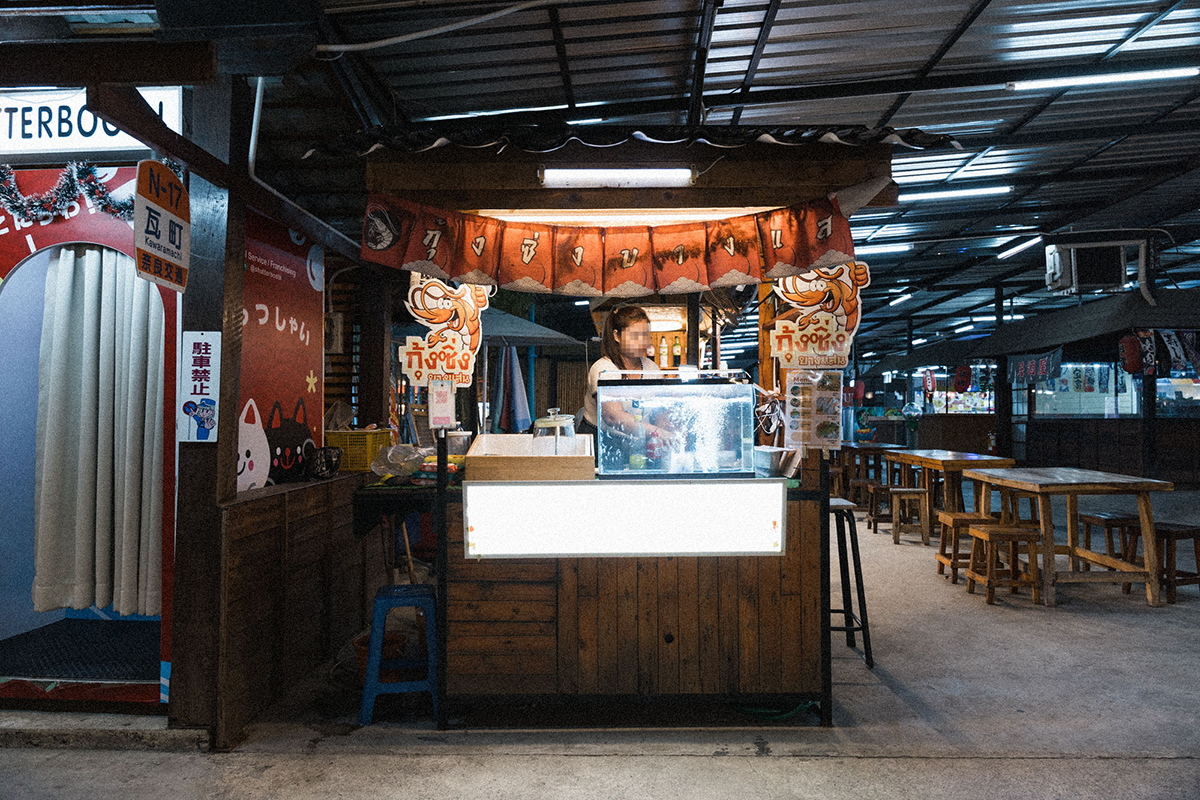


Aree (a pseudonym), a survivor The Exodus Road has equipped with job training and placement in Thailand
Some street-level practitioners report that without care, survivors of trafficking have close to a 100% recidivism rate. Some studies show that just one year of care can cut this rate in half.
1. Financial stability
Reaching a place of financial stability after being trafficked is perhaps the most important factor in long-term recovery. Economic empowerment ripples into every other aspect of life, including stable housing, nutritional needs, sufficient healthcare, and access to mental health services.
Additionally, poverty is one of the common denominators among human trafficking victims, making financial stability a key solution to avoiding returning to trafficking. To achieve long-term restoration, survivors must be able to support themselves financially.
2. Legal support
A major barrier that can impact financial stability is a criminal record. As noted in the Polaris National Survivor Study, nearly two in five survivors report criminal records due to actions taken while being trafficked. The stigma and legal consequences of a criminal record often block access to housing, employment, banking, and social services, creating a vicious barrier to rebuilding a stable life. For many survivors, this dire lack of options can push them toward dangerous paths, including returning to exploitative situations out of desperation.
Economic empowerment and legal support for survivors go hand-in-hand for reaching financial stability. This includes help accessing job opportunities, vocational training, legal aid to clear or mitigate criminal records when possible, and financial inclusion (bank accounts, financial literacy, etc.). Programs that combine economic empowerment with supportive services help break the vulnerability loop: stable income + financial autonomy + legal stability = less reliance on risky or exploitative situations for survival.
3. Educational support and professional development
For many survivors, it can be hard to secure a job with a sustainable income without further education or career development programs. Many survivors don’t have a college degree or even a high school education, which makes getting a job to adequately support themselves nearly impossible.
Education becomes key in situations like these. Scholarships and grants need to be available to help survivors pay for further education.
The corporate community also needs to ally with survivors in the battle against trafficking to help with the continued sustainability of survivor livelihoods. More experts are needed to come alongside survivors and teach them the necessary professional development skills that help them become employable: skills like resume building, interview etiquette, and basic computer skills.
Job readiness programs, career counseling, and entrepreneurship can significantly improve the sustainability of survivors’ well-being. These types of programs help survivors pursue their professional goals and lay the groundwork for future vocational success.




Survivors receiving aftercare support from The Exodus Road in Thailand and Latin America
4. Life skills
Innovative educational and employment opportunities are critical for sustained liberation, but without the necessary supporting life skills, these opportunities can just end up being additional barriers.
Most survivors of trafficking don’t have the life skills they need to function in society and be self-supporting. Megan Lundstrom, CEO of Polaris and survivor leader, said, “You literally go through a period of culture shock trying to understand, ‘How do I communicate with people? How do I work in a legitimate, legal job setting? What rights do I have, and how do I put forth boundaries?’ All of those things are so new.”
Knowing how to cook, do laundry, and open a bank account might seem like common knowledge, but survivors of trafficking often lack important skills like these that are necessary to be self-sufficient.
5. Therapy
Other life skills, like decision-making and interpersonal skills, can be learned in therapy.
Therapy helps provide survivors with the tools they need to cope, regulate their emotions, and manage their triggers in a healthy way. Mental health professionals help survivors identify and address trauma bonds and help them recognize and instate healthy boundaries to build strong relationships.
Therapy services are also crucial for addressing the mental health issues left behind by exploitation. Traffickers brutalize and objectify their victims, inflicting serious psychological damage that takes many survivors their entire lives to overcome.
A comparative study of 131 survivors of sex and labor trafficking found that 71% met criteria for depression, and 61% met criteria for PTSD. Two-thirds met criteria for multiple domains of Complex PTSD (C-PTSD), including affect dysregulation, changes in self-perception, somatic problems, dissociation, and interpersonal difficulties.
In a historical cohort study of 176 survivors, 120 participated in follow-up about 6 months later; more than half (54.2%) met DSM-IV criteria for a major mental disorder (PTSD, depression, anxiety, or co-morbid conditions) in the months after return.
What do these studies suggest? Many survivors struggle post-exploitation with mental health, and ensuring survivors have access to mental health services is a critical component of long-term recovery. Without tailored, trauma-informed care, mental health issues like PTSD, depression, and dissociation can undermine stability, increase vulnerability, and contribute to recidivism.
6. Community
Therapy provides critical support for survivors’ well-being, but another necessary relational resource for sustained liberation is a support system. During their exploitation, survivors are isolated from family, friends, and all other social circles. They live in isolation.
Some survivors are even excluded and ostracized once they escape their trafficking situation due to stigma, cultivating a fertile environment for recidivism into the life they fought so hard to leave.
While a lot of the trauma from trafficking is relational, there is much healing that happens in the context of relationships as well.

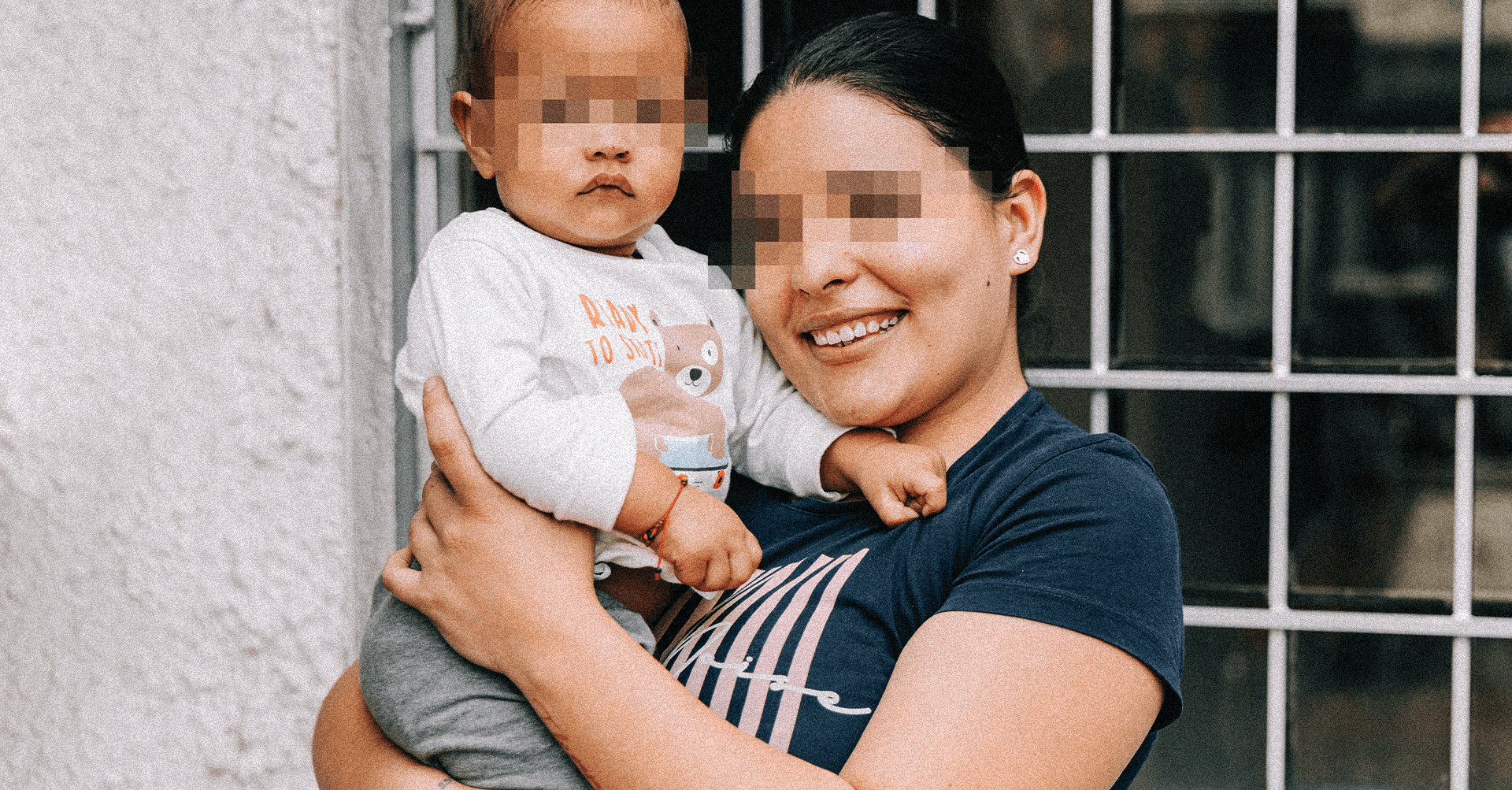

Survivors The Exodus Road has served with family members
Long-term aftercare
If we want to end systems of human trafficking in our lifetime, we can’t just be concerned with survivors’ escape and even just what happens immediately after. We also have to pay attention to what happens after aftercare.
Freedom is more than the absence of trafficking. When survivors are afforded adequate and comprehensive support services, life can begin again. Because that’s what exiting exploitation is: the beginning. After months or years of abuse and isolation, the road to healing for survivors is complicated, extensive, and tender. Those exiting the Life need safe, broad, trauma-informed, and thorough support systems in order to succeed — and the care should be long-term.
The Exodus Road has seen the statistics shift when those exiting exploitation have access to resources, autonomy, and equitable opportunities — when freedom truly becomes a choice, and they are empowered in lasting ways to leave the Life and step into a new one.
At Freedom Home in Thailand, The Exodus Road’s long-term residential aftercare shelter, survivors of exploitation are offered all of the elements of stability-creating care mentioned above. Hundreds more survivors are served directly in their own homes with similar services. These supports have led to a 99% recidivism-prevention rate in the history of our aftercare programming.