

Human trafficking happening through adoption or in orphanage tourism has been uncovered as a soberingly common kind of trafficking. Unfortunately, despite anecdotal evidence and scholarly proof of how prevalent this practice is, most international law still does not recognize this kind of trafficking as criminal.
Here is more about how trafficking through adoption and orphanage tourism happens — and what we can do about it.
What is international adoption?
International (or intercountry or transnational) child adoption is when an individual or couple adopts a child from another country.
Experiences of international adoptees and adoptive parents are mixed, with both recognizing positive aspects of the experience as well as difficulties. This is natural, given that humans are biologically inclined to attach to their caregivers, and disruption of that pattern can be a form of developmental trauma.
Another difficulty experienced by people who were internationally adopted involves their history and identity exploration, with adoptees sometimes having minimal information about their biological family or their early childhood. This creates a lack of cultural connection and a rupture in the continuity of their sense of self and belonging.
How are adopted kids likely to be trafficked?
Inadequate, inaccurate, or poor records of pre-adoption histories can be caused by a variety of reasons unique to each child. Those poor records can both make a child more likely to be trafficked or be a direct result of trafficking that has already happened.
In some cases, these children were orphaned by their biological parents as a result of death or abandonment stemming from political, social, or economic difficulties. Depending on their cultural background, some children might be in countries without the infrastructure needed to keep detailed records. Another possibility is that these children were abducted or sold by their parents to human traffickers, who profit from exploiting these children for illegal adoption or orphanage tourism.
What is orphanage tourism?
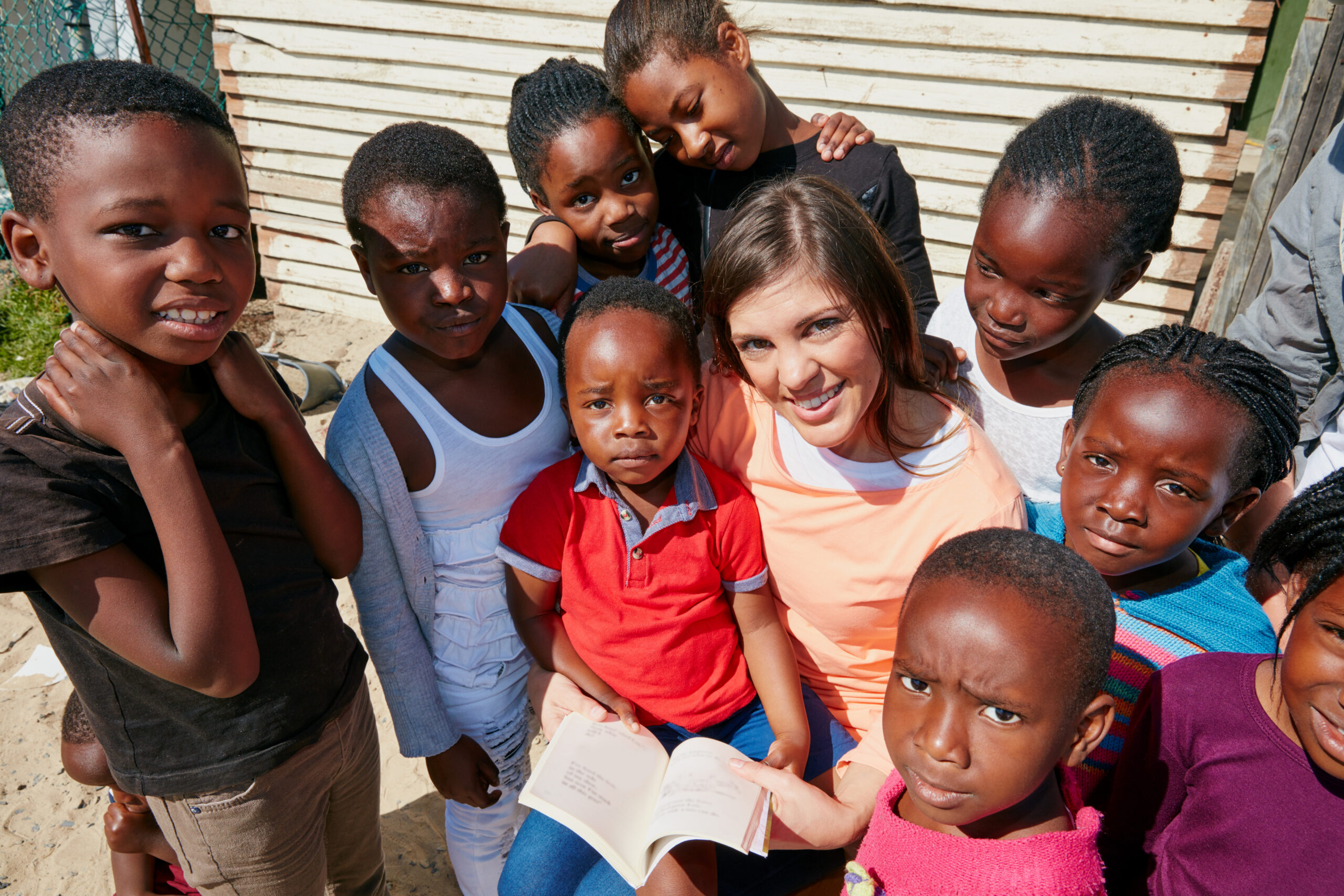
Orphanage tourism is when foreign tourists pay to visit or volunteer in orphanages that are privately run. Recently, attention has been called to the unethical practices that often go unregulated in these orphanages.
Is orphanage tourism trafficking? Policy makers and anti-human trafficking leaders have yet to reach a consensus. However, global anti-trafficking leader Walk Free has spotlighted the practice as a distinct concern for the sector.
Although contested as a form of trafficking, it’s true that some orphanages fraudulently present children as orphans even if they actually have living parents who were just unable or unwilling to support them financially. In fact, less than 20% of children in orphanages are truly without parents.
Orphanage owners may falsify documentation and death certificates, creating “paper orphans” who are raised in orphanages and used to get money from foreign volunteers and donors. Volunteers often have to pay to visit orphanages and support what they believe is credible work. When that happens, private orphanage staff profit the most when they present kids as being in the most need — a heinous form of exploitation.
As one adult said, reflecting on his experience in such an orphanage: “We are a product for volunteers.”
What is child trafficking through adoption?
Child trafficking for adoption refers to the recruitment and transportation of children through illegal or coercive practices for the purpose of facilitating their adoption, often for the financial gain of traffickers or those operating these illegal adoption markets.
Despite increasing reports of illegal adoptions, particularly transnationally from low-income countries with many vulnerable children to more affluent Western countries, the kidnapping, purchasing, and selling of children for adoption purposes is still not considered a form of human trafficking by most national criminal laws because of its final goal.
As Loibl stated in a 2020 paper, “Whereas the purpose of conventional forms of human trafficking is illegal (e.g., sexual exploitation, organ removal, slavery), adopting a child is perfectly legal at the demand end of the system.”
Generally, the demand for adoptable children comes from involuntarily childless couples and individuals in Western countries. The supply comes from child-rich countries of the Global South. Western individuals and couples are often specifically seeking healthy and younger children to adopt from less privileged countries.
How the demand for younger adoptees can fuel trafficking
Children who are older, sick, or have experienced extensive trauma and genuinely need a family are, sadly, not the desired adoptees. Inevitably, this places a strong demand on adoption agencies to find healthy babies that adopters are willing to pay for.
When that supply is not there, adoption agencies who rely (often exclusively) on fees paid by the adopters to function may obtain children through illegal and exploitative means.
How kids are illegally adopted:
- Buying children from birth parents: Intermediaries most often target impoverished families and vulnerable pregnant women or mothers — often those who are young, poor, and unmarried — to pressure them to sell their children in exchange for money or material rewards. These exploitative intermediaries use psychological manipulation to convince these parents that selling their young children will mean a better life for the child. In these situations, consent to relinquishment cannot be considered freely given. Rather, it is obtained through pressure and bribery, exploiting these parents' vulnerable circumstances.
- Deception of biological parents: Parents may be told that their child is being taken for some reason other than adoption. Bad actors in the adoption industry may say that a child is leaving temporarily for education, that the parents can maintain contact, or that they can reunite with the child later. Parents may also be asked to sign relinquishment documents without fully understanding what they mean.
- Kidnapping or abduction: Although rarer, the most vulnerable children may be abducted from the streets, their homes, schools, orphanages, or other institutions where parents temporarily placed their kids for education or care while planning to reunite with them.
- Falsely reporting a child’s death: Tragically, birth mothers may be falsely told that their newborn died or was stillborn when the child has actually been abducted from the hospital or maternity clinic for the purpose of a lucrative adoption.
- Displacement during natural disasters or conflict: Children separated from their families during natural disasters, refugee crises, or wars may be placed for intercountry adoption without adequate efforts to locate their parents or relatives.
What protection exists for adopted kids?
The 1993 Hague Convention on Protection of Children and Co-operation in Respect of Intercountry Adoption (typically referred to as the Hague Convention) is an international agreement to safeguard intercountry adoptions. The Hague Convention established international standards for intercountry adoptions in an effort to protect children and their families against the risks of illegal, irregular, premature, or ill-prepared adoptions abroad
The Hague Convention includes:
- Safeguards to make sure that all intercountry adoptions are in the best interests of the child and respect their human rights
- A system of cooperation between countries to guarantee that these safeguards are respected and to prevent the abduction, sale, or trafficking of children.
Every participating nation designates a national Central Authority to oversee and cooperate on adoption cases.
In practice, the Hague Convention requires the following:
- The child must be legally available for adoption
- The adoption must create a legal parent-child relationship between the child and the adoptive parents
- Intercountry adoption should only be considered for a child deprived of his or her family environment, and only if no domestic childcare solution can be found (this is a subsidiary principle)
Why do adoption safeguards fail to protect kids?
Despite these agreements and standards, the nature of the international adoption system, combined with poverty, corruption, and weak regulation, incentivizes illegal and damaging practices.
As such, another method of illegal adoption is by violating the subsidiarity principle. In those cases, government officials or institutional directors may be bribed by adoptive parents or adoption agencies to approve intercountry adoptions despite the availability of domestic families who are available to adopt or provide foster care.
Smolin’s research at Samford University’s Cumberland School of Law documented several cases of child trafficking for the purposes of adoption across the world, arguing that reform of the intercountry adoption system is needed. That reform would include recognizing trafficking through adoption as a crime in the countries that are receiving adoptees.
What is being done to end human trafficking in orphanages and adoption?
Due to increased awareness of potential trafficking, abuse, and ethical violations within orphanages and the adoption process, several countries or their subregions have decided to restrict or completely ban international child adoptions — or else suspend adoption from certain countries. Unfortunately, this prevents well-intentioned individuals and couples from adopting internationally. But these measures have been deemed necessary by these countries to safeguard children’s rights and ensure that adoption processes and orphanages do not facilitate trafficking, exploitation, or other forms of harm.
What can you do about orphan trafficking and trafficking through adoption?
- Educate yourself on the issue
- If you are considering adopting a child, seriously look at the option of adopting locally, where it is easier to ensure legality and confirm that you’re not contributing to a dangerous demand for young, vulnerable kids from other countries
- Do your due diligence in researching any orphanage that invites volunteers at a suspiciously high volume or charges high fees for volunteers to come assist them
- Be part of advocating for better legislation, such as through Freedom United’s Act to end orphanage trafficking campaign
You can also donate to trusted nonprofit organizations that are combating trafficking in vulnerable communities in general.


